The struggle for spotlight in internet gaming is brutal bigbasscrash.eu. Developers typically use eye-catching graphics or constant marketing. Yet a different pattern is forming. True lasting success doesn’t rely on tricks. It comes from a simple idea: value the gamer. This is known as a “gamer-first” strategy. It involves transparent guidelines, equitable play, and letting the community guide a game’s growth, rather than pursuing fast profits. The UK market, known for its knowledgeable gamers and strict rules, illustrates this well. Take the Big Bass Crash title. Its growth wasn’t luck. It’s an obvious lesson. When a game’s design matches what players actually value, it builds a dedicated following. This harmony is transforming what players want. It shows that in today’s online landscape, the smartest strategy is to put the player in the driver’s seat.
Decoding the “Player-Centric” Approach in iGaming
“Player-Centric” is more than a catchphrase. It’s a plan that molds a title from the ground up. It affects how the title works, how the developers communicate with users, and how it evolves over time. The old approach saw players as consumers. The new model views them as allies. This relationship calls for honest mechanics, not tricks that exploit on behavior. It requires clear, upfront disclosures on any money deposited. And it means listening when customers give input. In places like the UK, with strong consumer safeguards, this philosophy fits seamlessly with both the law and the regional norms. For a game like Big Bass Crash, it’s about building trust through reliable mechanics. The excitement should arise from the game itself, not from hidden rates or a push to keep playing. The result is a healthier ecosystem that helps everyone.
The Strategic Simplicity That Empowers Players
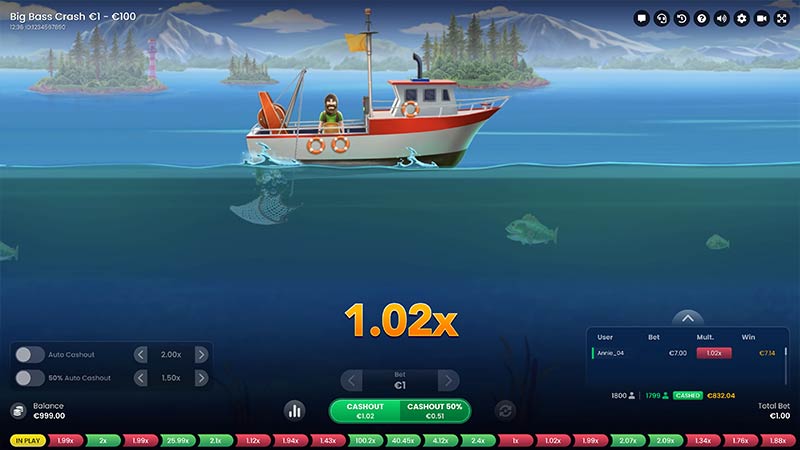
Big Bass Crash derives its appeal from a basic notion. This simplicity, oddly enough, leads to serious immersion. Players don’t have to commit to memory intricate regulations, symbol guides, or extensive paytables. Everything boils down to a one, crucial action: clicking the “Cash Out” option before the multiplier crashes. This sharp focus gives power to the user. They individually are responsible for their choice, depending on their own appetite for risk. It generates a tangible pressure, a straight connection between decision and consequence. This sense of agency is central to the Player First concept. By trimming the experience to just one distinct, player-controlled bet, the offering honors the player’s freedom and judgment. A success comes across as a individual victory. A loss is perceived as a familiar risk, not a confusing malfunction in the game.
Why the UK Market remains Especially Responsive
The UK’s online gaming scene is among the most developed and heavily supervised anywhere. This has created a player base that is both well-protected and highly selective. A history of regulatory changes have informed players about their entitlements and what honest, ethical design looks like. They are swift to reject games that feel manipulative or hide information. Big Bass Crash, with its clear mechanics, emphasis on controlled choices, and easy fit with responsible gaming tools, slots right into this ecosystem. It meets compliance requirements not as a tedious necessity, but as a central design objective. Its rising acclaim demonstrates a market making a choice. Players are choosing a product that aligns with their beliefs. They choose direct, engaging, and ethically crafted games over those that are built purely on showy tricks or compulsive patterns.
Detailed Review: Player First vs. Traditional Models
Pitting the Player First model versus older game designs shows why it’s gaining traction. Many traditional games, particularly in the online casino industry, use strategies designed to keep players glued to the screen and spending continuously, at times without their full consciousness.
- Complication vs. Straightforwardness: Classic slot machines might include complicated bonus games and dozens of paylines that are hard to understand. Big Bass Crash presents one clear mechanic.
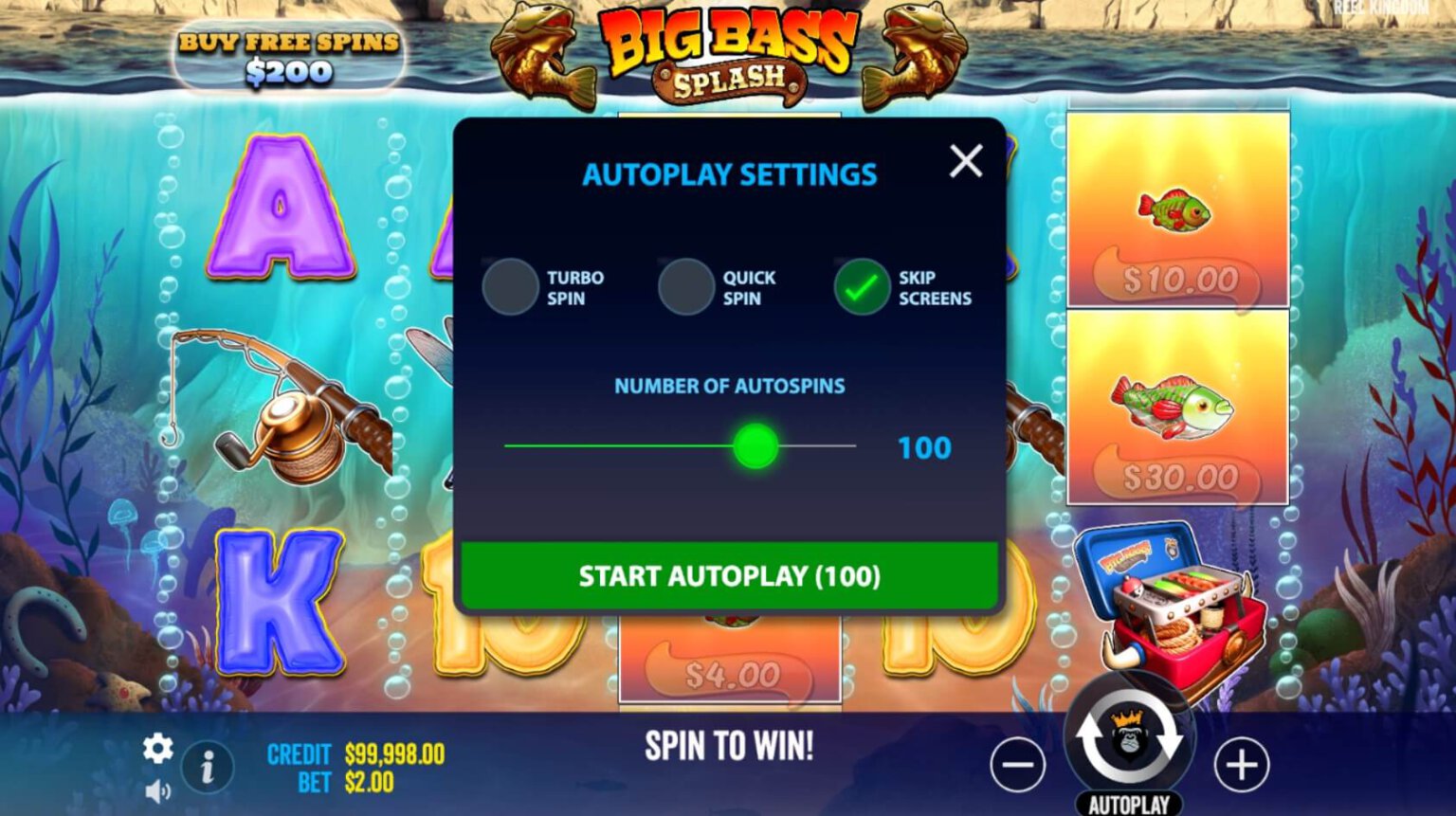
- Authority: Games with auto-play and quick-spin options can make the player a passive spectator. Big Bass Crash demands a hands-on, conscious choice for every single outcome.
- Transparency: Some games conceal their Return to Player (RTP) percentages or display extreme fluctuation. The crash game model offers an immediately comprehensible, though uncertain, risk profile.
- Shared Experience: Plenty of games are lonely pursuits. The crash format naturally builds a communal, live session.
Creating a Network Around Shared Instances
The journey of Big Bass Crash extends past a single player’s screen. It establishes a Player First world by generating shared moments, which are essential for a game’s lifespan. The format is social by nature. Multiple players ride the same climbing multiplier curve, sharing the collective buzz as the numbers rise. This inherently sparks conversation. People discuss tactics and rejoice or complain over a crash together. Online platforms and live streams boost this effect, converting a solo game into a group spectacle. Developers and the sites featuring the game often foster this. They highlight major wins and provide space for players to interact. This community work alters the game. It stops being just software and becomes a social spot. The value isn’t only in a potential payout, but in belonging to a group’s exciting moment.
Responsible Gaming Incorporation in Design
A genuine Player First philosophy must actively support ethical play. Here, the actual structure of Big Bass Crash offers integrated safeguards. The title is built on compact, individual rounds. This generates intuitive stopping points, unlike the endless, automatic-pilot loops of some video slots. Trustworthy UK platforms complement this by including mandatory tools like deposit limits, session timers, and easy links to support services such as GamStop and GamCare. The game’s straightforward design also helps with self-awareness. Because the main action is a solitary, thoughtful cash-out decision, gamblers might become more conscious of their spending compared to the quick, automatic play of different genres. This design shows that responsible play can be part of the game’s core, not just a sidelight in the terms.
Transparency and Impartiality as Unwavering Pillars
UK gamblers, influenced by stringent guidelines from the UK Gambling Commission, do not view transparency as a perk. They view it as a right. Big Bass Crash meets this requirement head-on. The chance of each crash is checkable and safe. The game typically employs validated Random Number Generator (RNG) frameworks that undergo regular audits. It does not assert to be a proficiency game where it isn’t. Instead, it offers itself truthfully as a game of probability with one defined point of strategy. This integrity fosters a name. Gamblers can interact understanding the system’s integrity is a concern, which is a cornerstone of responsible play. The contrary tactic—a feeling that outcomes are fudged or ambiguous—shatters trust quickly. It’s a pitfall the title’s designers meticulously evade.
In What Ways Big Bass Crash Embodies Core Player-Centric Values
Big Bass Crash puts its player-first talk into action through specific design choices. The main game feature is a multiplier that rises a curve until a random “crash” happens. In appearance, it’s simple. Players grasp the risk and reward instantly. There are no hidden mini-games or confusing bonus features to muddy the picture. This clarity is essential. The game also bypasses elaborate stories or complex leveling systems that might pressure players into longer sessions. Every round is a fresh start. The player determines when to play and for how much time. A clear, intuitive interface gets out of the way. The focus remains on that one strategic choice: when to cash early. This design values the player’s intelligence. It provides a tool for entertainment, not a maze created to hold and hold attention.

Gaming’s Future: An Enduring Transition Toward the Player
The enthusiastic welcome for Big Bass Crash’s approach in markets like the UK suggests a larger, permanent change for the sector. As players get more savvy and governing bodies implement tighter controls, the business case for unethical or exploitative design diminishes. The future points toward games designed for sustainable engagement, where confidence and entertainment are the primary instruments for engaging players. We will probably see more innovation in straightforward systems, improved social and community features, and even smoother inclusion of responsible gambling tools within the game experience. Games that embrace the Player First blueprint, valuing long-term community over instant revenue, are poised to shape this next era. They reveal a core principle. The most effective way to create a thriving game is to truly respect the mind, autonomy, and welfare of the person playing the game.